How to manage time between work and study

If you are a student and you are taking part-time jobs, the most difficult task would be balancing between study and work. Time management is essential when it comes to different responsibilities, and in this blog post we want to share with you some tips and guidelines on how to better manage your time.

First of all you want to check how much money you really need. Of course you always want to have more, but it’s not a good idea to sacrifice your time and your studies by juggling between two part-time jobs and your university life.


Choose Your Part-time Job Wisely  

giphy (11).gif

Make sure your part-time job is relevant to your career path. You don’t want to graduate with three years of experience in retail. That’s not going to help you. Choose something that is related to your career and you enjoy doing it. That way it will not tire you as much and you can fit it into your schedule easier.


Establish Priorities 

giphy (12).gif

Making sure some tasks have to be done first is essential. Prioritize on some tasks and make sure you do them first. Don’t procrastinate and get things done on time. This can be obtained through practice and over time. It will create a sense of accomplishment for you when you get things done on time, and will boost your self-esteem.


Cut Yourself Some Slack 

giphy (13).gif

Make sure you have some time to relax and socialize with friends. This will give you the energy to work better. Don’t make your life about work, but practice how to get things done on time and enjoy the break, so you can have a breath and get back to work.


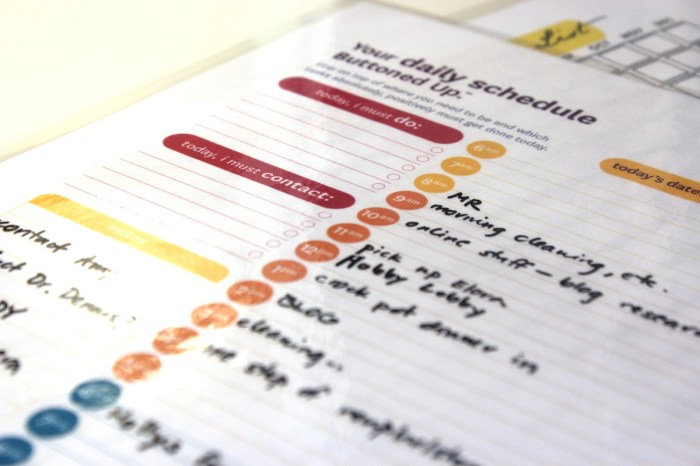
Have a Tight Schedule 
dailyscheduleprintable32

Schedule your time and make sure you follow closely. Put in enough time for both work and study as well as some time to relax to catch up with friends in your schedule.


Work Goal-oriented

The best investment you can make is in yourself, so try to work with intentions of becoming professional in a field. This will help you to find better opportunities as you work and progress. Try learning new skills that will help you in your job.


Don’t Miss Out On School 

lecture1

Don’t fail your subjects because of work. Prioritize on university. Make sure you take an amount of work that you can handle, and only when you are really comfortable with it try to widen your range. Eventually you are looking at full-time jobs that require university degree, so don’t make your life about part-time jobs, but try to gain as much as you can from it.


Part-time jobs are excellent way of creating a career path for your future. Get on board and start working happy!
How to make a kickass resume for part-time jobs

Making the right resume that showcases your best is crucial in a job search. A good resume should tell the employers what are your best assets are and what experiences have had.

As a student without any prior full-time job experience the task becomes more difficult. You need to show your abilities as well all the activities you have taken part in to prove that you are right for the job done.

giphy (10).gif

Here are five tips on how to make a kick-ass resume for part-time jobs application:


1. Highlight Your Qualifications 

Show your abilities and skills on top of the resume. That is the most important thing the employers look into if you do not have any prior work experience. You can write them in point form to make it easier to read. This section will give the employer an idea of your personality and passion in life.


2. Give Education Priority 

Often education comes after work experienced and related activities, but if you are seeking part-time jobs make sure they know right away where you study. Make sure to include the name the of the current and previous institute that you have studied at. This will give the employer a better idea of your background.


3. Include Unrelated Jobs 

There are tons of work and activities that you take part in during your college that may be completely unrelated to the job that you are trying to apply for. Make sure you put everything in. They might not be related, but they will show the employer that you are active and know how to get things done. Include your volunteer activities. They are important. Any volunteer work that you have done in the past.


4. Skills 

Include a section with all your skills: soft skills, language skills, digital skills and other related skill you can think of. (Except maybe eating a whole pizza on your own!)

giphy (8).gif

5. Contact Details 

Last, but not least make sure you put your contact details on the top of the resume which is the most important thing. You need to include your phone number, your address and your email address. At the bottom of the resume you may include some references if you want, but make sure you have informed those people about it and they will respond if contacted.


All the best!


Getting a job outside your major

So you just graduated and now you are looking for a job, but a career doesn’t look too good in your major. Let’s say you took a part-time job or an internship, and you didn’t have the same passion anymore, or the employment opportunities are scarce in your field.

Don’t panic.

Getting a job outside your major is nothing to be scared of. There are those jobs that require their specific degree. If you want to be a nurse or a doctor, you must have a medical degree, but most career fields today are more or less accessible with other degrees.

Your degree will never be irrelevant.

giphy (3).gif

If you are looking for a job, what the employers are looking for is the skills and knowledge that you have gained in the past. They don’t care that much about what degree you hold. As long as you hold a degree and you are fit for the job, they will give you a chance.

What matters the most is YOU. You need to find the right path where you will have room to grow in order to use your potentials to the fullest. The knowledge you learn from you classes and assignments in university does not always determine your career field


Why your major doesn’t matter that much

Taking a job in a different field than your major isn’t a big deal. In fact in the future probably more people will be switching their industry than before. The marketplace is changing all the time and the employers are looking for skills not grades.

Here are some of the things that matter more than what major you have studied:


  • Experience. Whatever job you get after your degree, employees look for the experience you have learned and the skills you have acquired in whatever undertakings you have had in the past. Skills can be learnt and transformed into new environments. In fact having a different major that the industry may give you the advantage of a fresh new perspective


  • Skills.

giphy (4).gif

          There are a bunch of skills that are necessary for working in any company.

          Just to name a few:

  • Written and oral communication
  • Research and analysis
  • Problem-solving abilities
  • Working in a team
  • Decision making
  • Innovation
  • Emotional intelligence

By working at any company you will learn these skills, so when you are trying for a new job, or a job outside your major, the employer will want to know whether you have these skills. Then you need to be able to learn new skills which brings us to the next point.


  • Adaptability. If your major is not same as the job you are applying, you need learn how to adapt to new things. Well, even if your major is the same as the job you are applying for, you will need to adapt to things. But if you are applying for a different major, then you need to be more adaptive. Learning new concepts may not be the hardest part. Unlearning what you were taught in your three years of degree will be.


How part-time jobs will build your career

How part-time jobs will build your career


Having the best grades in university will not guarantee you a job once you graduate, but gaining experience through different part-time jobs will.

Every year many students are graduating without having any experience on their resume, and they are struggling to find a suitable job that will kickstart their career. The best way to overcome this is to get part-time jobs while you are studying.

giphy.gif

It may sound hard, but with the right time management and some ethics, you will be on your way to impress the employees.

The part-time jobs that you pick don’t even have to be relevant to what you want to do in the future. Some of the most successful people today started out with some pretty odd jobs.

For instance, did you know what was President Obama’s first job?

Scooping ice-cream.

obama14

That’s right, the most powerful man on the planet started working at a Baskin Robbins in Honolulu when he was a high school student.

Or Yahoo chairman, Maynard Webb; He started working as a paperboy when he was 12, and he claims that his first job actually taught him some great attitude and lessons about business that helped him build his career.


How will part-time jobs benefit you

Part-time jobs will help you find what you want to do. Simple.

You take up jobs and you learn how to manage your time, but most importantly, you learn more about yourself and what you want to do in life.

They might completely change your perspectives about the industry you have chosen or make you fall in love with it. At the end it all depends on you.

giphy (1).gif

So don’t just look at a part-time job as a side hustle. It’s really more than just the extra income. They help you discover yourself and find the suitable career.

Afterall no matter how high the income, if you can’t sustain your mental health while working , it’s not worth it

A new study in Malaysia shows that 26% of youth want to commit suicide because of their job, and only 8% of them said that they loved their job.

The rate might be shocking, but it shows the reality that many young Malaysians don’t choose their careers wisely.

Here is another piece of advice…

If you do find a new part-time job and you don’t seem to like it, be patient and learn how to cope and learn new skills. It might take time until you fit in, or it might be the worst job ever for you. Either way it will be a good experience for you.

giphy (2).gif

Some tips on how to manage part-time jobs while you study

Now, we know you’ve got a tight schedule. Assignment, studying for exams and keeping up with the Kardashians all at the same time is not easy. (Joking! There are better TV shows to watch!)

So here are some tips on how to make sure you don’t lose out on anything and still manage to get the right job:


  • Keep a Journal : Write down what you need to get done for the week in your journal, and try to keep up with your goals. It’s okay if you don’t achieve everything, but make sure you don’t miss your deadlines


  • Find a job that you like: Make sure you are comfortable with the job that you find and you like what you do. This doesn’t mean it shouldn’t be challenging, but it shouldn’t drain all your energy out either


  • Cut down on ‘lepak’ time: Yes it may suck, but you have to sacrifice on some lepak-ing for a better future. Appreciate your friends and your hangouts, but learn how to manage work and fun.


  • Bring work to school: Make use of your time at university to get some of your job done. (Bonus: this will make you look cool too.)


  • Don’t fear burnout, but learn how to curb it: If at the end of the day, you feel too exhausted, while some of your friends are out there partying, don’t worry. You are on the right path. Learn what helps you relax, and put that on your schedule. Whether it’s video-games or keeping up with the Kardashians. (There, I said it again)